
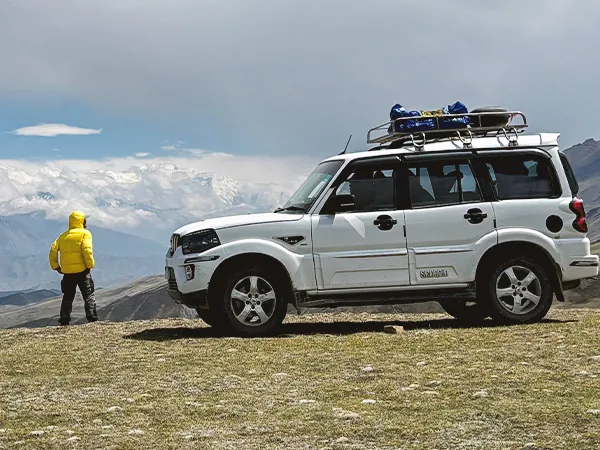
For many travellers, a Mustang trek is a great opportunity to see a very different, raw side of Nepal. The region is home to old settlements, Tibetan Buddhist monasteries and communities whose culture has developed over centuries in close connection with the Tibetan Plateau. The landscape is equally compelling, particularly in Upper Mustang, where the dry terrain, unusual rock formations and high desert valleys create scenery unlike that found on most other trekking routes in Nepal.
Upper Mustang and Lower Mustang
The Mustang region is broadly divided into Upper Mustang and Lower Mustang, with each offering a different trekking experience.
Lower Mustang includes well-known places such as Jomsom, Marpha, Kagbeni and Muktinath and forms part of the wider Annapurna trekking area. The Annapurna Circuit Trek passes through this part of Mustang, bringing travellers through villages, mountain valleys and the Kali Gandaki corridor.
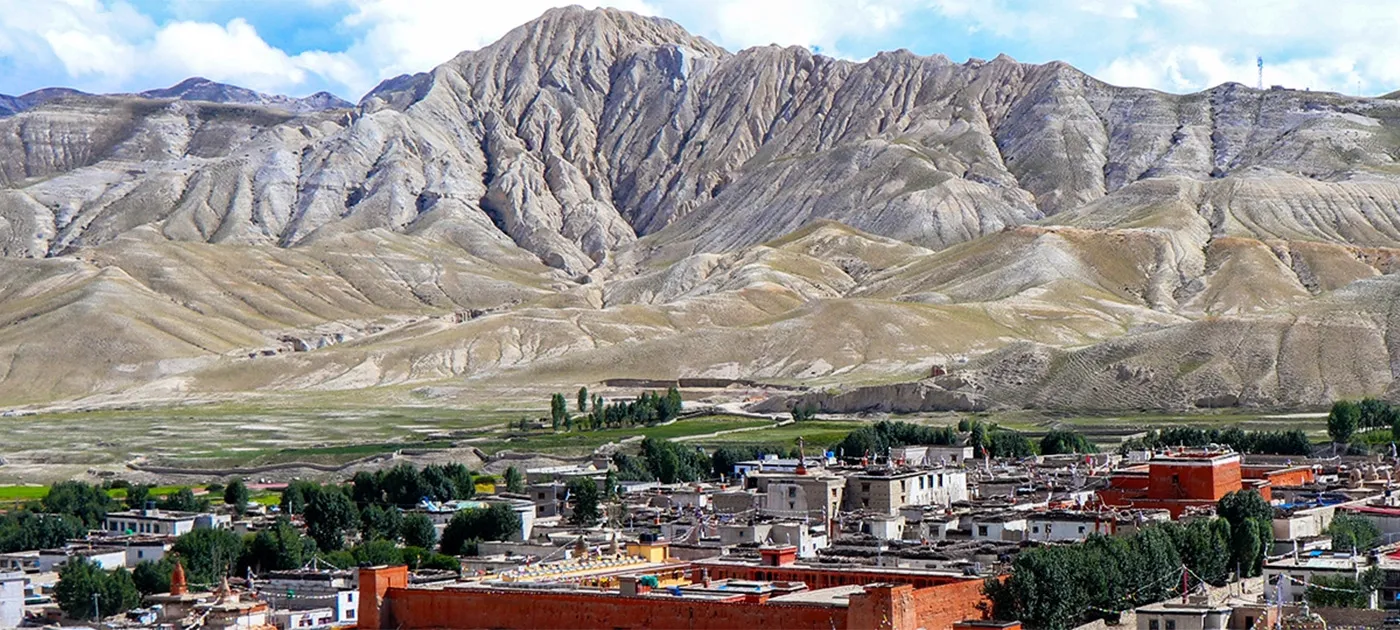
Further north lies Upper Mustang, the former Kingdom of Lo. Lo Manthang, its historic capital, remains the cultural centre of the area and is one of the best-known places to visit in Upper Mustang. The old walled settlement, monasteries, traditional houses and surrounding landscape give the town a character that is difficult to find elsewhere in Nepal.
Upper Mustang was opened to international travellers in 1992 and remains a restricted trekking area. A special trekking permit is required, and travellers must trek with a registered trekking agency and a licensed guide under the current regulations. This controlled access has helped limit the pressure of mass tourism on the region while allowing visitors to experience its distinctive cultural and natural heritage.
Landscape and Climate of Mustang
The landscape is one of the main reasons people choose trekking in Mustang. The Kali Gandaki River cuts through the region, while the trail passes beneath towering cliffs and across dry valleys surrounded by the Himalayas. In Lower Mustang, forests, farmland and traditional villages are common. As you travel towards Upper Mustang, the scenery becomes increasingly arid.
Mustang receives relatively little rainfall because of its position in the Himalayan rain shadow. This makes Upper Mustang trekking particularly interesting during Nepal's monsoon season, when much of the country experiences heavy rainfall. The dry climate also gives the region its characteristic high-altitude desert appearance.
Winter is a different matter. Temperatures can fall considerably, and strong winds and snow can make travel at higher elevations difficult. For most trekkers, spring and autumn are comfortable seasons for exploring the region, while Upper Mustang also remains a popular choice for those looking for a trekking destination during the monsoon months.
Culture and Heritage
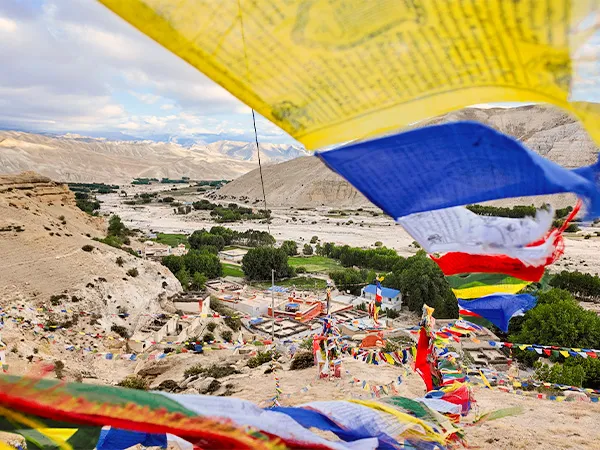
The cultural heritage of Mustang is closely connected to Tibetan Buddhism. Gompas, chortens, mani walls, prayer flags and monasteries can be found throughout the trekking routes, while traditional architecture remains an important part of many villages.
The region's history is particularly visible in Upper Mustang. Cave dwellings carved into cliffs, ancient monasteries and old settlements offer glimpses into a way of life shaped by the difficult geography of the Himalayas and centuries of trade across the mountains.
One of the most important cultural events in the region is the Tiji Festival in Lo Manthang. Held annually, the festival brings together local communities for several days of traditional Buddhist ceremonies, dances and rituals. Travellers visiting Mustang during the festival can experience an important part of the region's living culture rather than simply visiting its historic sites.
Muktinath and the Kali Gandaki Valley
Mustang is also an important pilgrimage destination. Muktinath, located at an altitude of around 3,800 metres, is considered sacred by both Hindus and Buddhists. The temple complex attracts pilgrims from Nepal, India and other parts of the region throughout the year.
The journey through the Kali Gandaki Valley adds another dimension to a Mustang trip. Kagbeni, Jomsom and Marpha are among the best-known settlements along this route, each with its own history and character. Marpha is particularly known for its apple cultivation, while Kagbeni marks the gateway towards Upper Mustang for many trekkers.
Trekking in the Mustang Region
There are several ways to explore Mustang depending on the time available, physical fitness, and the kind of experience you are looking for. The Lower Mustang Trek is suitable for travellers who want to explore the region without undertaking the longer Upper Mustang journey. The Upper Mustang Trek takes you deeper into the former Kingdom of Lo and offers a closer look at its villages, monasteries and high-altitude landscape.
For those interested in culture, the Upper Mustang Tiji Festival Trek combines the trek with one of the region's most significant annual celebrations. There are also options for travellers who prefer a shorter visit, including Muktinath helicopter tours and customised Mustang tours.