


Climbing in Nepal
Nepal has long been associated with Himalayan mountaineering, and for good reason. The country is home to eight of the world's fourteen mountains above 8,000 metres, including Everest, Kanchenjunga, Lhotse, Makalu, Cho Oyu, Dhaulagiri, Manaslu and Annapurna I. But the appeal of Nepal's mountains extends well beyond the famous eight-thousanders.
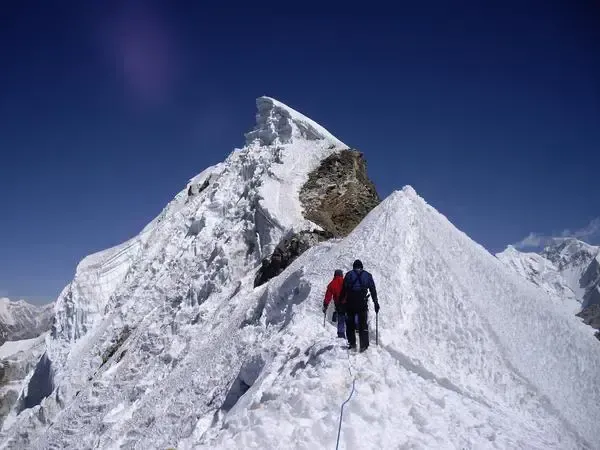
There are trekking peaks and expedition peaks of different levels of difficulty, each with its own character. Some require technical climbing experience, while others provide a challenging introduction to climbing at altitude. Peaks such as Island Peak, Mera Peak, Lobuche East and Pisang Peak have become well known among climbers looking to move beyond trekking, while mountains such as Ama Dablam, Manaslu and Everest demand considerably more experience, preparation and commitment. Choosing the right mountain therefore matters. The highest mountain is not necessarily the right mountain for every climber.
Your previous climbing experience, technical ability, fitness, altitude experience, available time and the kind of expedition you want all need to be considered before a peak is chosen.
An Expedition Is More Than a Summit Attempt
A successful expedition begins long before you reach the mountain. There is equipment to prepare, permits to arrange, routes to study, acclimatisation to plan and weather to consider. On longer expeditions, the logistics become an expedition in themselves. Food, camps, climbing equipment, communications, transport, porters, high-altitude workers, guides and contingency plans all have to come together.
Then there is acclimatisation.
The body does not become accustomed to altitude simply because the itinerary says it should. A sensible expedition allows time for the body to adjust and leaves room to change plans when conditions require it. Sometimes that means an extra acclimatisation day. Sometimes it means turning around.
The People Behind a Himalayan Expedition
From the outside, a mountain expedition can look like a personal achievement: one climber, one mountain and one summit. The reality is very different. An expedition is built around a team. Mountain guides, high-altitude workers, cooks, porters, logistics teams and local communities all contribute to the journey. Their knowledge of the mountain environment, weather, routes and changing conditions is invaluable.
At Footprint Adventure, this is something we take seriously because our relationship with Nepal's mountains did not begin from a distance. We work with the people who live and work in these landscapes.
For us, the people behind an expedition matter just as much as the itinerary itself.
That means fair treatment, proper preparation, safety and respect for the people working at altitude are not details to be added at the end of an expedition plan. They are part of planning the expedition properly in the first place.
Choosing Your Mountain
There is no universal definition of a "best" mountain to climb in Nepal. It depends entirely on the climber. Someone attempting their first Himalayan peak may be better suited to a mountain that allows them to learn about glacier travel, crampons, ropes and high-altitude climbing without immediately committing to an extremely technical expedition. An experienced climber may be looking for something considerably more demanding. This is why we prefer to begin with the person rather than the mountain.
What have you climbed before?
How comfortable are you with technical terrain?
Have you spent time at high altitude?
How much time do you have?
What are you hoping to learn or achieve?
These questions tell us considerably more than simply asking which summit you would like to climb.
Respecting the Mountain
Mountains have never needed us to conquer them. They have been here long before our expeditions and will remain long after we leave. What we can do is approach them responsibly. That means carrying out what we bring in, managing waste carefully, respecting local communities and customs, following climbing regulations and being conscious of the environmental impact of an expedition. It also means understanding that conditions can change quickly in the Himalayas. A route that looks straightforward on one day can become very different after a change in weather. Respect for the mountain begins with accepting that we cannot control it. We can only prepare well and make sensible decisions.
Why Nepal?
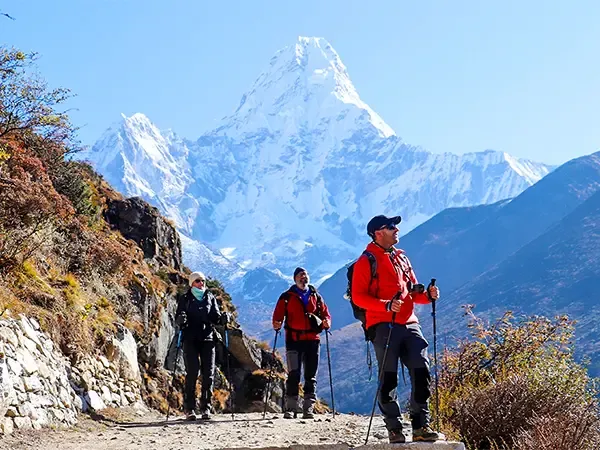
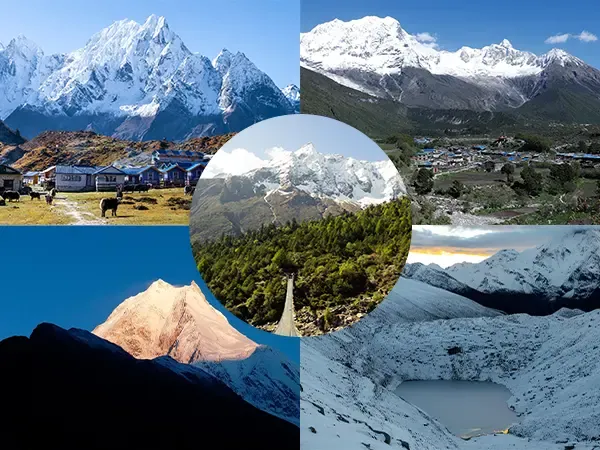
There are mountains elsewhere in the world. There are difficult climbs elsewhere too. Nepal's appeal lies partly in the mountains themselves, but also in everything around them. An expedition can take you through villages, forests, high valleys, ancient trails and communities whose lives are deeply connected to the mountains. The approach to a summit is often a journey through many different landscapes and ways of life. You may begin among green hills and terraced fields and finish surrounded by rock, snow and ice. That change is one of the great pleasures of climbing in Nepal.
Preparing for Your Expedition
A Himalayan expedition deserves preparation that matches the mountain. Physical fitness matters, but strength alone is not enough. Climbers also need endurance, good judgement, familiarity with their equipment and an understanding of what altitude can do to the body. Technical preparation becomes increasingly important as the difficulty of the mountain increases. Depending on the peak, climbers may need experience with crampons, ice axes, fixed ropes, glacier travel, abseiling and other mountain techniques. We believe preparation should be honest. If a particular mountain is beyond your current experience, we would rather tell you that and help you find a better route forward than encourage you towards an expedition simply because it sounds impressive. There is always another mountain. The important thing is choosing the right one.
Your Expedition, Properly Planned
Every mountain has its own requirements, and every climber arrives with a different background. At Footprint Adventure, we plan expeditions around those differences. From permits and logistics to acclimatisation, accommodation, climbing support and the approach to base camp, we take care of the details that allow you to concentrate on the climb itself. But more importantly, we want you to understand the journey before you begin it. You should know what the mountain demands, what the itinerary involves, what preparation is expected, and what can change along the way. Because a Himalayan expedition is not something you simply book. It is something you prepare for.
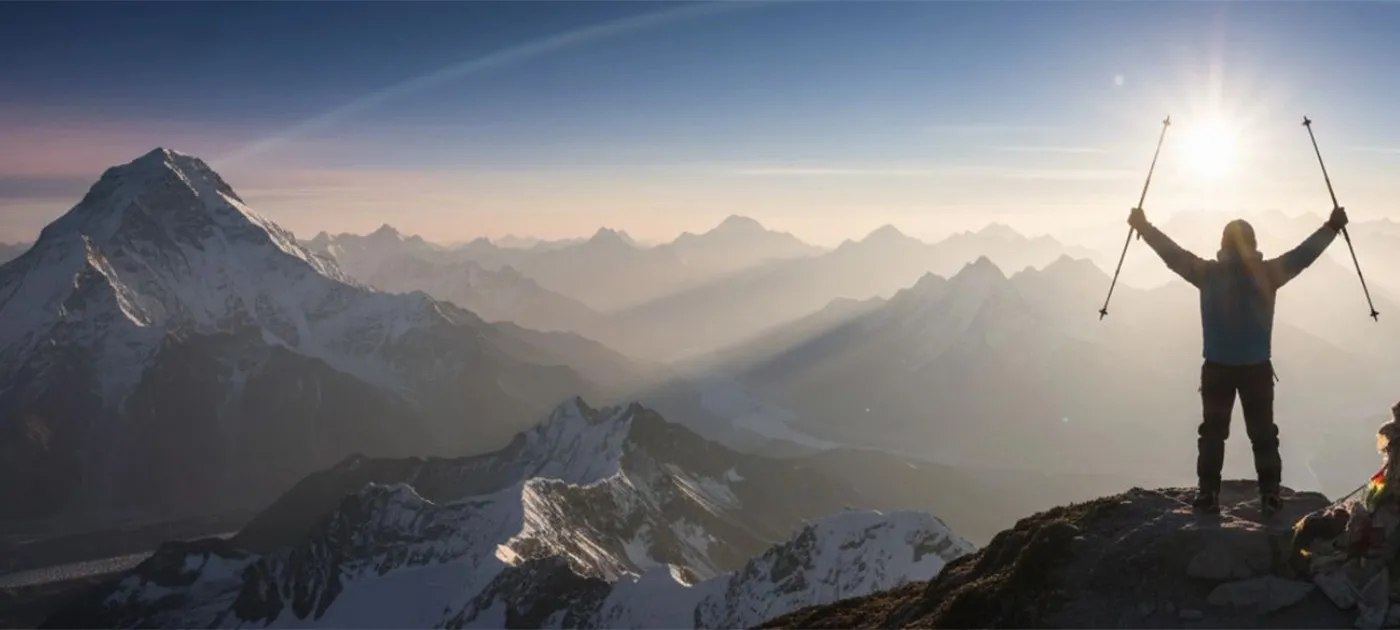
And when the time finally comes to stand on the mountain, you should know why you chose to be there.