


Tanzania brings together some of East Africa's most remarkable landscapes in a single country. The snow-capped summit of Mount Kilimanjaro, the grasslands of the Serengeti, the wildlife-rich Ngorongoro Crater and the beaches and historic towns of Zanzibar offer very different experiences, yet they can all form part of the same journey.
For many travellers, a Tanzania safari is the main attraction. The country is home to some of Africa's most important wildlife areas, where lions, elephants, giraffes, zebras, wildebeest and many other species can be seen in their natural habitats. Beyond the safari circuits, Tanzania offers mountain climbing, cultural experiences, coastal escapes and island travel.
Mount Kilimanjaro
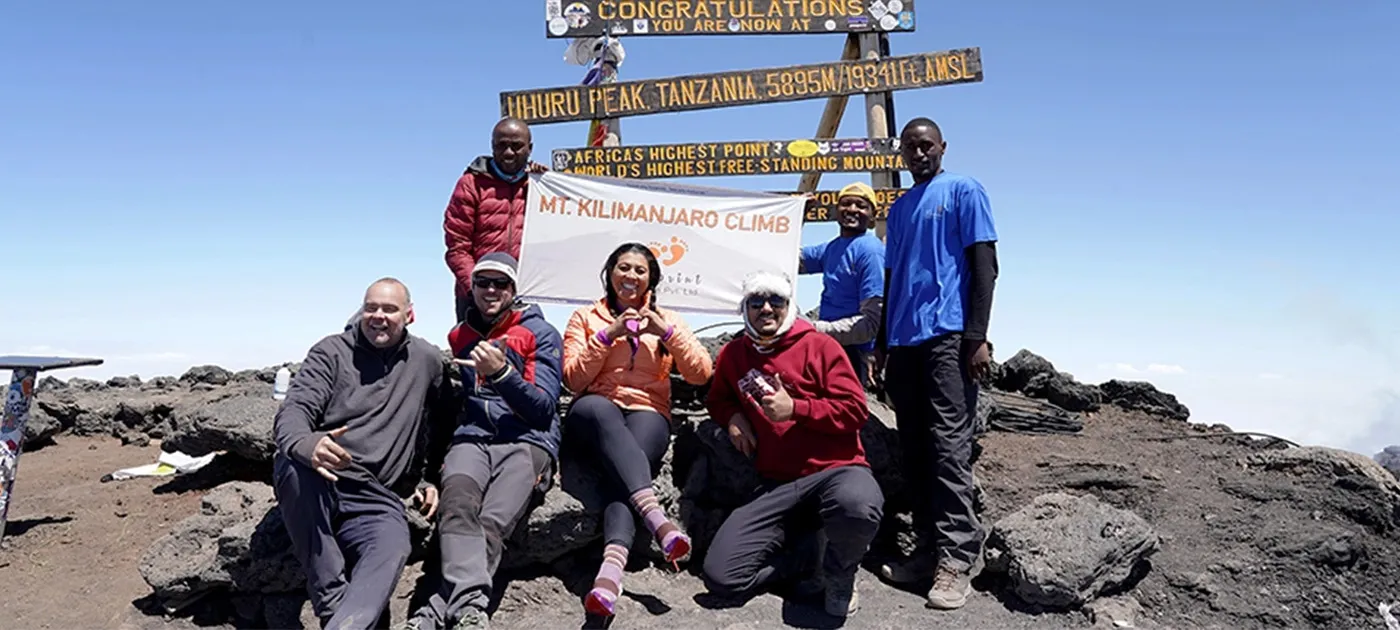
At 5,895 metres, Mount Kilimanjaro is the highest mountain in Africa and the world's highest free-standing mountain. Its three volcanic cones: Kibo, Mawenzi and Shira, rise above the surrounding landscape in northern Tanzania.
Although Kilimanjaro is a high-altitude mountain, reaching the summit does not require technical climbing skills on the standard trekking routes. The challenge lies largely in altitude, endurance, weather and allowing the body enough time to acclimatise.
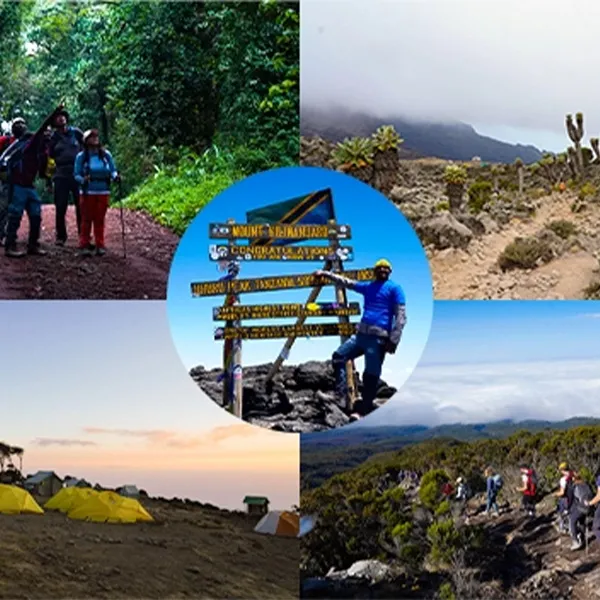
A Mount Kilimanjaro climb takes you through several ecological zones, beginning in cultivated and forested areas before reaching moorland, alpine desert and finally the high volcanic terrain around Kibo. The change in vegetation and landscape is one of the memorable aspects of the ascent.
There are several established routes to the summit, including the Machame, Marangu, Lemosho and Rongai routes, each with different itineraries, scenery and levels of traffic. Choosing the right route and allowing sufficient time for acclimatisation are important parts of planning a Kilimanjaro expedition.
Tanzania Safari
Tanzania is one of the world's leading safari destinations, with several national parks and conservation areas supporting an extraordinary variety of wildlife.
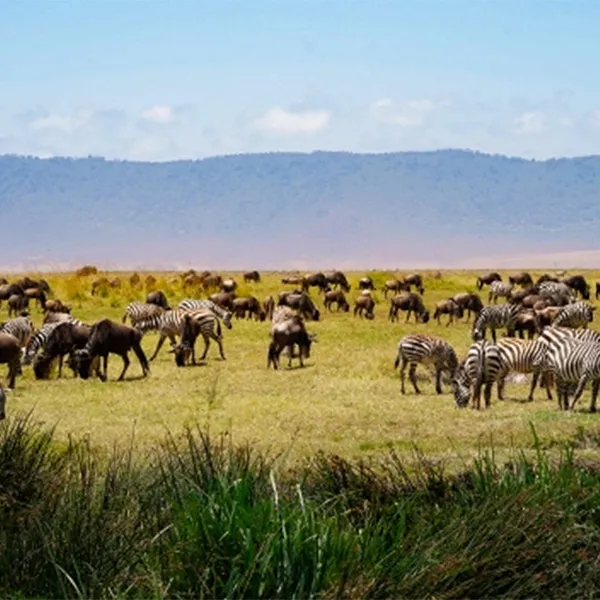
The Serengeti National Park is perhaps the country's best-known safari destination. Its vast grasslands support large populations of lions, cheetahs, leopards, elephants, giraffes, zebras and other animals. The park is also closely associated with the Great Migration, during which millions of wildebeest, along with large numbers of zebra and other grazing animals, move through the Serengeti and the wider ecosystem in search of fresh grazing and water.
A Tanzania safari tour can also include the Ngorongoro Conservation Area, Tarangire National Park, Lake Manyara National Park and other protected areas, depending on the season and the kind of wildlife experience you are looking for.
Ngorongoro Crater
The Ngorongoro Crater is one of Tanzania's most extraordinary natural landscapes. Formed by the collapse of a large volcanic caldera, the crater floor contains grasslands, wetlands, woodland and a permanent water supply that support a remarkable concentration of wildlife.
The wider Ngorongoro Conservation Area is also home to Maasai communities, making the region important not only for wildlife but also for understanding the relationship between pastoral communities, livestock and conservation.
Zanzibar
After days in the mountains or on safari, Zanzibar offers an entirely different pace.
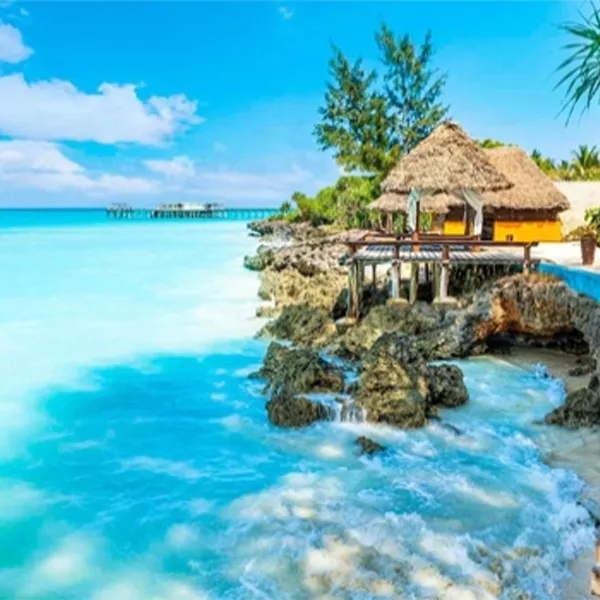
The island is known for its white-sand beaches, warm Indian Ocean waters and the historic streets of Stone Town, whose architecture reflects centuries of trade and cultural exchange along the East African coast.
A visit to Zanzibar can be added before or after a safari or Kilimanjaro climb. Travellers can spend time on the coast, explore Stone Town, visit spice farms, enjoy water activities or simply take a few quieter days by the ocean.
Culture and Local Communities
Tanzania's appeal extends beyond its landscapes and wildlife. The country is home to many ethnic communities, languages and cultural traditions, each shaped by its own history and environment.
In the northern safari regions, travellers may encounter Maasai communities and learn about pastoral traditions that remain an important part of local life. Along the coast and in Zanzibar, centuries of interaction between African, Arab, Indian and European cultures have shaped the region's food, architecture, language and traditions.
Cultural experiences are best approached with respect for the communities involved. Rather than treating villages and people as tourist attractions, a well-planned cultural visit should create space for genuine interaction and an understanding of local life.
When to Travel to Tanzania
The best time to visit Tanzania depends largely on what you want to do.
For Mount Kilimanjaro climbing, the drier periods are generally preferred because trails and summit conditions are more manageable. For wildlife, the timing of animal movements, rainfall and local conditions can influence where and when particular species are easier to see.
The Great Migration also does not follow a single fixed date. Herd movements respond to rainfall and grazing conditions, so travellers interested specifically in the migration should plan their safari according to the area they want to visit and the seasonal pattern expected there.
Zanzibar can be visited throughout much of the year, although rainfall and coastal conditions vary between seasons.
Tanzania Travel with Footprint Adventure
At Footprint Adventure, we arrange Kilimanjaro climbing, Tanzania safari tours and combined Tanzania travel experiences. Depending on your interests, a journey can bring together a Kilimanjaro climb, wildlife safari, cultural experiences and time in Zanzibar.
We work with local partners to arrange the practical details of the journey, from accommodation and transportation to guides and activities. Each part of the trip can be planned according to the time you have, the activities you want to include and the kind of travel experience you prefer.
Tanzania is a country that rewards travellers who give themselves time to experience more than one side of it. You can begin among the forests and volcanic slopes of Kilimanjaro, spend days watching wildlife across the Serengeti and finish beside the Indian Ocean in Zanzibar. Few journeys offer such a change of landscape within the same country.